
A new report highlighted by Public Sector Catering suggests that the UK Parliament could save more than £1 million over five years by replacing 30% of the meat, fish and shellfish it purchases with plant-based proteins, including beans, lentils and nuts.
Greater protein diversity, including more beans, pulses and other plant-based foods, can help create healthier menus and reduce environmental impacts. But there's a risk that the conversation becomes about 'less meat' and more plants only, overlooking the importance of how the meat we do eat is produced and sourced.
Reducing industrially produced, unsustainable meat is a good move, but there's also an opportunity to use some of the savings from introducing more beans, pulses and plant-rich dishes to source better-quality, more sustainably produced meat. That could mean greater emphasis on British beef and lamb from farms using nature-friendly and regenerative practices, as well as wild venison. Supporting agroecological and mixed farming systems helps sustain the farmers that are improving soil health, biodiversity and the wider environment: factors crucial for resilience.
Putting this into practice
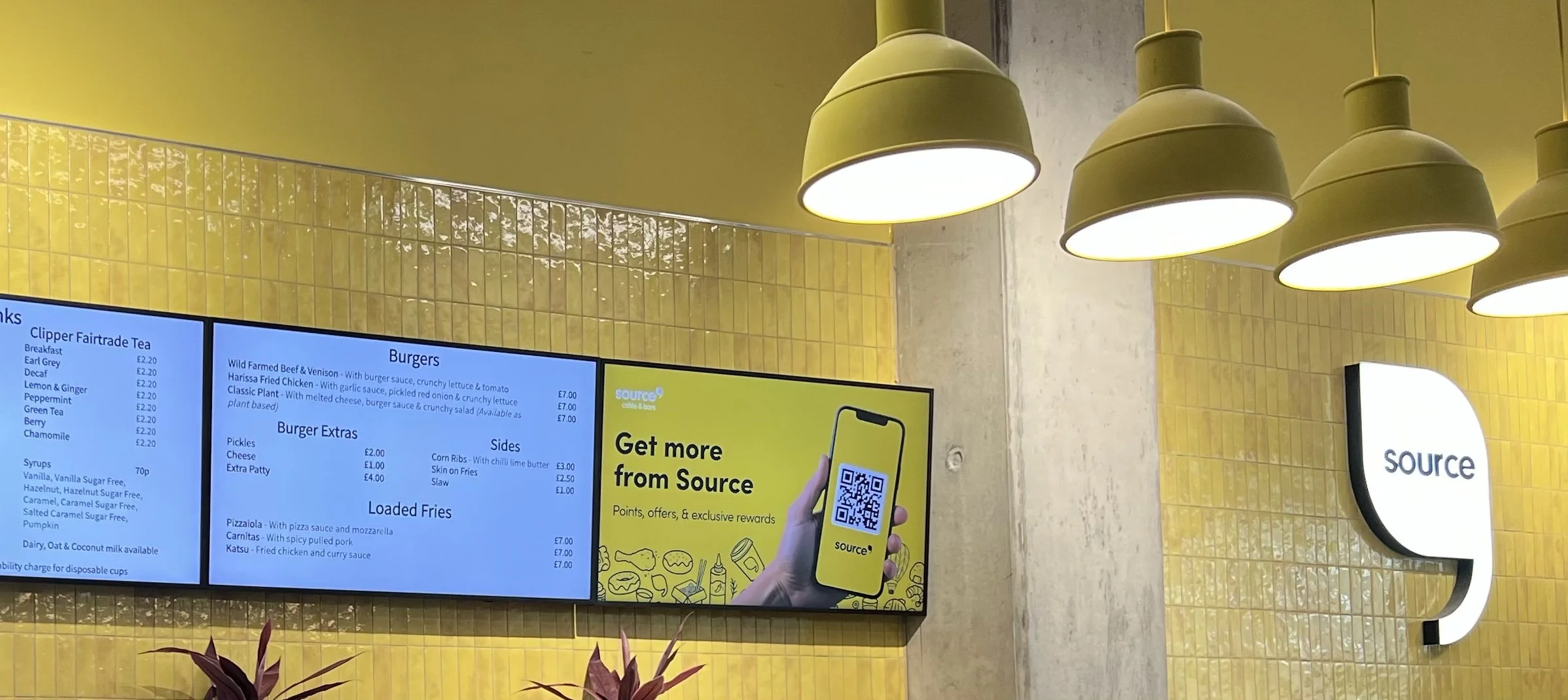
Wild Farmed Burgers made with regenerative beef and wild venison from Farm Wilder, supplied through AgileChain, on the menu at Source Café, University of Bristol.
For public sector caterers, the challenge is balancing diner expectations, nutrition and sustainability while making the most of limited purchasing budgets. Through our work with schools, hospitals and universities, we’re helping institutions rethink what they buy, with a greater focus on quality, sustainability and resilient supply chains.
One example is our work with the University of Bristol, which sources meat from Farm Wilder through AgileChain. Farm Wilder’s regenerative, 100% pasture-fed livestock farms support wildlife recovery and enable more resilient farming businesses.
AgileChain helps make this produce more accessible to public sector caterers. Through AgileChain, Farm Wilder's Wild Woods Burgers, made with regenerative beef and wild venison, are now served at the University of Bristol.
What about fish?
The proposed 30% reduction groups meat, fish and shellfish together. But should all animal proteins be treated in the same way? Or should protein diversification recognise sustainably sourced fish as an option in its own right?
We’ve been exploring this with the University of Bristol by introducing a partnership with the Plymouth-based ethical fish processor, Sole of Discretion. The university is considering the environmental pressures on marine ecosystems, their role in stabilising our climate and the challenges faced by smaller fishing businesses. Rather than simply removing fish from the menu, the University is using AgileChain to explore how its purchasing can support a different, more sustainable approach to sourcing.
“For many years we’ve become very good at asking nature to adapt to our menus. Perhaps the next step is learning how our menus can adapt a little more to nature. It’s not that difficult.” Alex Sim, Development Chef, University of Bristol
Using purchasing power for change
Cost inevitably matters. Public sector caterers are working within tight budgets, and the potential savings from introducing more plant-based proteins shouldn’t be overlooked. But there’s also an opportunity to think about where some of those savings go.
Could they help support better farming and fishing practices, British producers and shorter, more diverse supply chains? After all, we all depend on these farms and fishers for our own resilience.
Supply chain transparency matters across all food categories. A plant-based dish isn’t automatically sustainable simply because it contains no meat, just as all meat production shouldn’t be treated as having the same environmental impact. Production methods, biodiversity, provenance and supply chains all matter.
Ultimately, this shouldn’t just be a conversation about less meat and fish. It should be about how we use the purchasing power of the public sector to create healthier menus while supporting the farming, fishing and food businesses we need for a more sustainable and resilient food system.
Rich Osborn, Chief Executive, Equilibrium Markets.
We're looking forward to joining the University of Bristol's Catering for Nature event on 18 November, which will explore how food sourcing and procurement can support nature and sustainability, with discussions on regenerative farming, responsible fish sourcing and more resilient food supply chains. Register here.